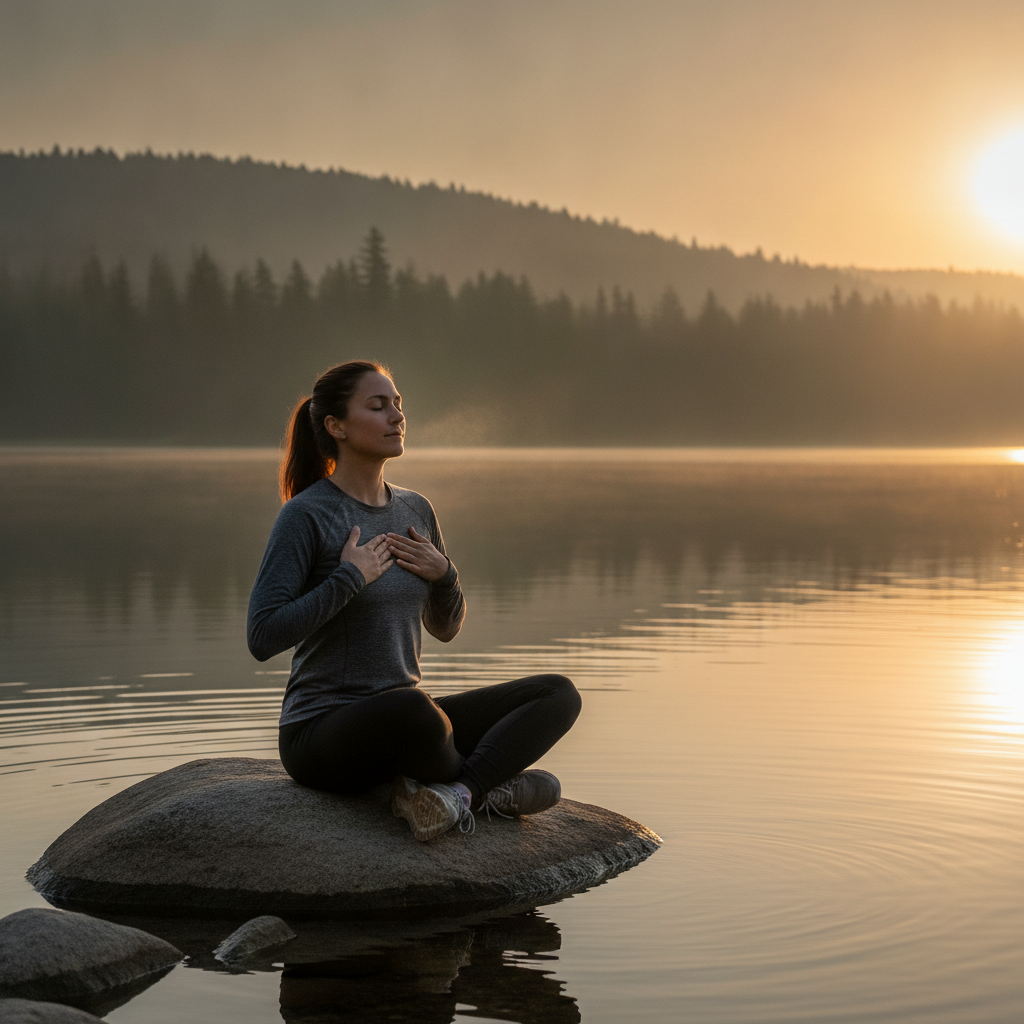
The human body treats rising carbon dioxide levels as a threat, triggering the same alarm system that fires during emotional stress, physical danger, and anxiety. Most people never learn to work with that system — they simply react to it. Breath-hold training, once confined to the world of freediving and elite sport, has gained serious attention as a practical method for recalibrating that response. By gradually exposing the body to elevated CO2 in a controlled setting, regular practitioners develop a measurably calmer nervous system over time.
Why CO2 Tolerance Is the Missing Variable
Carbon dioxide tolerance refers to how much of a rise in CO2 a person can endure before the urge to breathe becomes overwhelming. Most people assume oxygen depletion drives that urge — but the sensation of breathlessness is primarily triggered by CO2 accumulation. When tolerance is low, even mild emotional stress or shallow breathing patterns can activate a disproportionate alarm response. Building tolerance essentially raises the threshold at which the nervous system escalates to high alert, creating a wider window of calm before reactivity sets in.
The Physiology Behind the Stress Connection
The link between CO2 sensitivity and psychological stress runs through the autonomic nervous system. Elevated CO2 activates chemoreceptors that communicate directly with the brainstem, which then signals the sympathetic nervous system. In people with low CO2 tolerance, this pathway is hair-trigger sensitive — meaning small fluctuations can produce outsized stress responses. Breath-hold training desensitizes these chemoreceptors gradually, much like progressive loading desensitizes the musculoskeletal system. The result is a body that responds to internal chemical shifts with greater proportion and less panic.
What a Practical Weekly Protocol Looks Like
Incorporating breath-hold work doesn't require underwater training pools or specialized equipment. A grounded starting point involves seated static apnea — simply sitting still, taking a calm breath, and holding it for a manageable duration. Practitioners often begin with three to five rounds of comfortable holds, resting between each, two to three times per week. Apps like Apnea Trainer and OxySmart offer structured progression tables designed to extend tolerance safely over weeks. The goal isn't duration records — it's consistent, low-stakes exposure that nudges the threshold upward without forcing the body into distress.
How Breath-Hold Training Complements Breathwork Practices
Breath-hold training sits naturally alongside existing breathwork methods like those associated with the Wim Hof Method or the structured protocols taught by instructors trained through Oxygen Advantage, a framework developed around functional breathing principles. Where techniques like box breathing or diaphragmatic training emphasize rhythm and relaxation, CO2 tolerance work adds a physiological conditioning layer that reinforces those benefits at a cellular level. The two approaches aren't competing — they address different but complementary aspects of respiratory health, and practitioners who combine them tend to report faster gains in overall stress regulation.
The Cumulative Effect on Daily Stress Responses
The changes that emerge from consistent breath-hold training are rarely dramatic in the short term, but they compound meaningfully across weeks and months. People often notice they recover from stressful moments faster, feel less triggered by situations that previously caused visible agitation, and sleep with fewer interruptions tied to nighttime arousal. These shifts reflect genuine changes in autonomic baseline — the body's default operating setting. Research in respiratory physiology consistently points to CO2 sensitivity as an underrecognized driver of anxiety and chronic hyperventilation, both of which feed back into the stress cycle in ways that aren't always visible.
Getting Started Without Overcomplicating the Process
If you're new to breath-hold training, the entry point is simpler than most people expect. Begin by measuring your control pause — a technique associated with the Buteyko method — by exhaling naturally, then timing how long you can comfortably wait before the first urge to breathe. This gives you a reliable baseline. From there, short static holds of fifteen to twenty-five seconds, performed in a relaxed seated position, are a safe and effective starting point. Avoid training on a full stomach or when fatigued, and never practice breath-holding near water without supervision. Three sessions per week, kept brief and intentional, is enough to see meaningful shifts within four to six weeks.
Breath-hold training occupies an unusual space in wellness — it's grounded in hard physiology, accessible without equipment, and produces real changes in how the nervous system handles stress. By targeting CO2 tolerance specifically, it addresses a mechanism that most stress-reduction practices overlook entirely. For anyone whose anxiety, reactivity, or recovery speed has plateaued despite conventional approaches, training the breath-hold response offers a direct and underutilized path toward a more resilient baseline.