Scoring a permit to one of America's most beloved wild places has become genuinely difficult — and if you've ever lost a lottery for the Wave in Coyote Buttes or watched Yosemite's timed entry reservations vanish in minutes, you know exactly how discouraging that process feels. The good news is that the system, frustrating as it is, has logic behind it. Once you understand how entry windows, lotteries, and reservation releases work, you can stack your chances considerably better than most people who approach it cold.
Understand the Difference Between Lotteries and First-Come Reservations
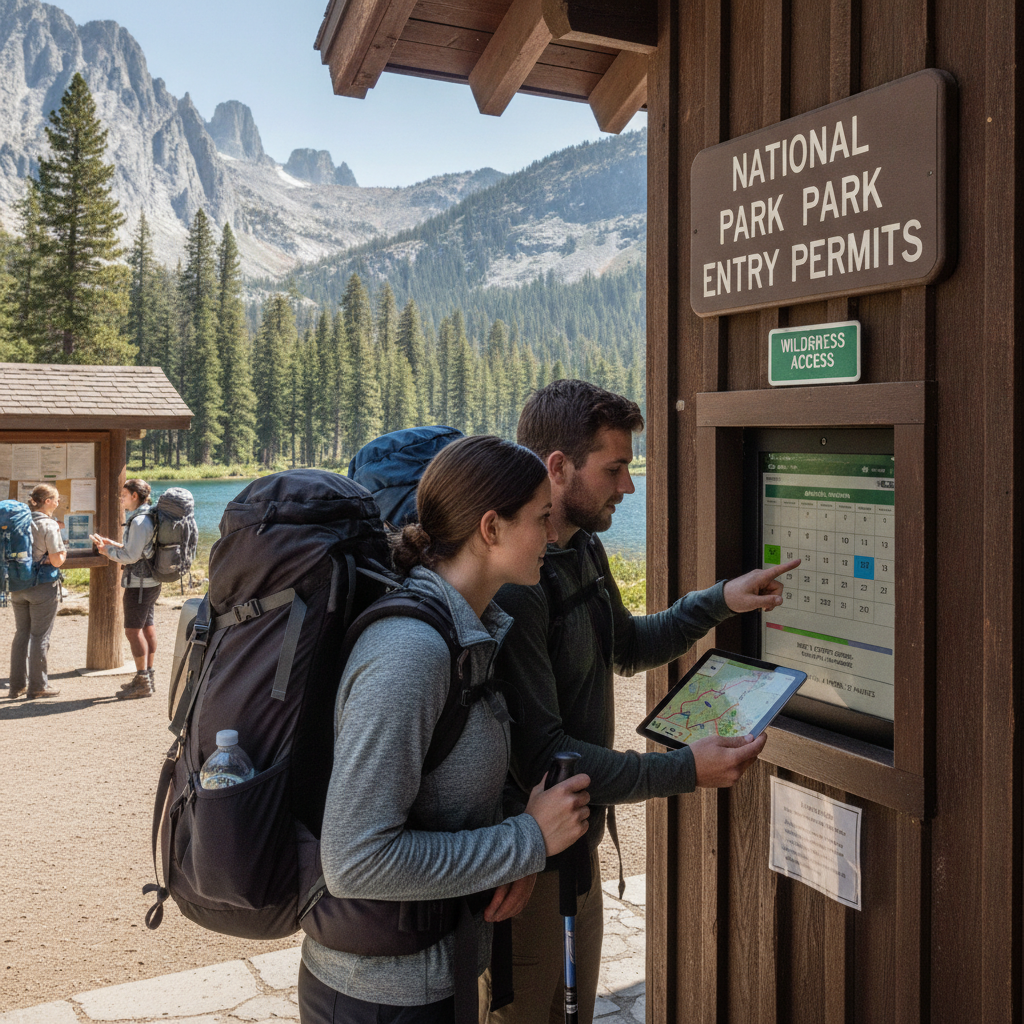
National park permits generally fall into two categories: advance lotteries, where you apply months ahead and hope for a random draw, and first-come reservation windows, where permits release on a rolling basis at a specific time. The Wave at Coyote Buttes North uses both — an advance lottery and a daily in-person draw. Yosemite's timed entry system has operated on a reservation-release model tied to specific calendar dates. Knowing which system applies to your destination determines your entire planning strategy, so this is where research should start, not end.
Research Each Park's System Before Assuming Anything
Park permit systems change more often than people expect. Recreation.gov, which manages most federal permit sales and lotteries, updates its rules seasonally, and what worked in a previous year may not apply now. The Havasupai Falls reservation system, for example, shifted its process significantly after overwhelming demand caused repeated crashes. Before you plan around assumptions, go directly to the official park site and Recreation.gov to confirm current dates, application windows, and cost structures. A quick check in January can save you weeks of misdirected planning.
Apply Early and Apply for Multiple Windows
Advance lotteries for high-demand parks like Zion's The Narrows permits or the permits required for certain Grand Canyon corridor camps often open months before the travel season. Missing the application window is one of the most common and avoidable mistakes. Set calendar reminders well ahead of known lottery dates. When a system allows you to list multiple date preferences in a single application, use every slot available — your odds improve meaningfully when you're flexible across a broader range rather than locked into one specific weekend.
Use Cancellation Tracking Tools Strategically
A substantial number of permits return to availability through cancellations, and timing matters here. Recreation.gov releases canceled permits back into the pool, often unpredictably, but patterns do exist — cancellations tend to cluster around two to three weeks before the permit date as plans shift. Apps like Campnab and Wanderlog can monitor availability and notify you the moment a slot opens. Checking manually at odd hours, particularly early morning, can also yield results that a standard midday search misses. Persistence during this window has paid off for many travelers who initially lost their lottery.
Build a Backup Itinerary Around Adjacent Experiences
One of the most effective mindset shifts is treating the permit as a bonus rather than the entire trip. Areas adjacent to heavily restricted zones often offer comparable scenery with far less bureaucracy. The North Rim of the Grand Canyon sees a fraction of the South Rim traffic. The less-visited eastern Sierra routes near Bishop offer dramatic alpine terrain without a single lottery. Planning a full itinerary that works beautifully regardless of permit success means you're never truly empty-handed — and you approach the lottery itself with lower stakes anxiety.
Time Your Trip Around Shoulder Season Release Dates
Many parks stagger their permit availability by season, and shoulder season slots — think late September or early May — see significantly less competition than peak summer windows. The experience in those months is often better anyway: cooler temperatures, lower trail congestion, and more dramatic light. Glacier National Park's Going-to-the-Sun Road vehicle reservations, for instance, are far easier to obtain in late September than in July. Aligning your travel calendar with shoulder season windows is one of the most reliable ways to increase your odds without relying entirely on luck.
Know How Walk-Up and Same-Day Permits Work
Many parks quietly maintain a portion of their permits for same-day or walk-up distribution, and this information isn't always prominently advertised. Denali's backcountry permits, for example, can be obtained in person at the visitor center the day before entry. Some parks distribute a fixed number of day-of permits at the ranger station at a set time each morning. Showing up in person, arriving early, and speaking directly with rangers can open doors that the online system appears to close entirely. It requires flexibility, but for travelers who can adjust on the fly, it's a genuinely effective route.
Track Policy Updates Through Official Channels and Ranger Social Accounts
Park policy changes are announced through official channels, but ranger stations and park social media accounts — particularly on platforms like Instagram — often signal upcoming changes informally before formal announcements arrive. Following accounts associated with parks like Joshua Tree, Olympic, or the Boundary Waters Canoe Area Wilderness gives you early context on system overhauls, date shifts, and new permit categories. Subscribing to Recreation.gov email alerts for specific parks is equally useful and takes under two minutes to set up.
The broader trend across federal land management is toward more structured, technology-driven access systems, not fewer. As demand for wilderness experiences continues to grow, more parks are expected to adopt timed entry and permit requirements for previously unrestricted areas. Staying informed, building flexibility into your plans, and understanding the mechanics of each system will keep you ahead of the frustration — and get you into the wild places that matter most to you.