Scandinavia is one of the most expensive regions in the world to travel through, and accommodation costs often take the biggest bite out of a travel budget. Overnight trains offer a practical workaround — you sleep while you move, arriving refreshed at your next destination without paying for a hotel room. Across Sweden, Norway, and Finland, overnight rail routes connect major cities and remote towns in ways that make this strategy genuinely viable for budget-conscious travelers.
Book a Couchette or Sleeper Cabin Early
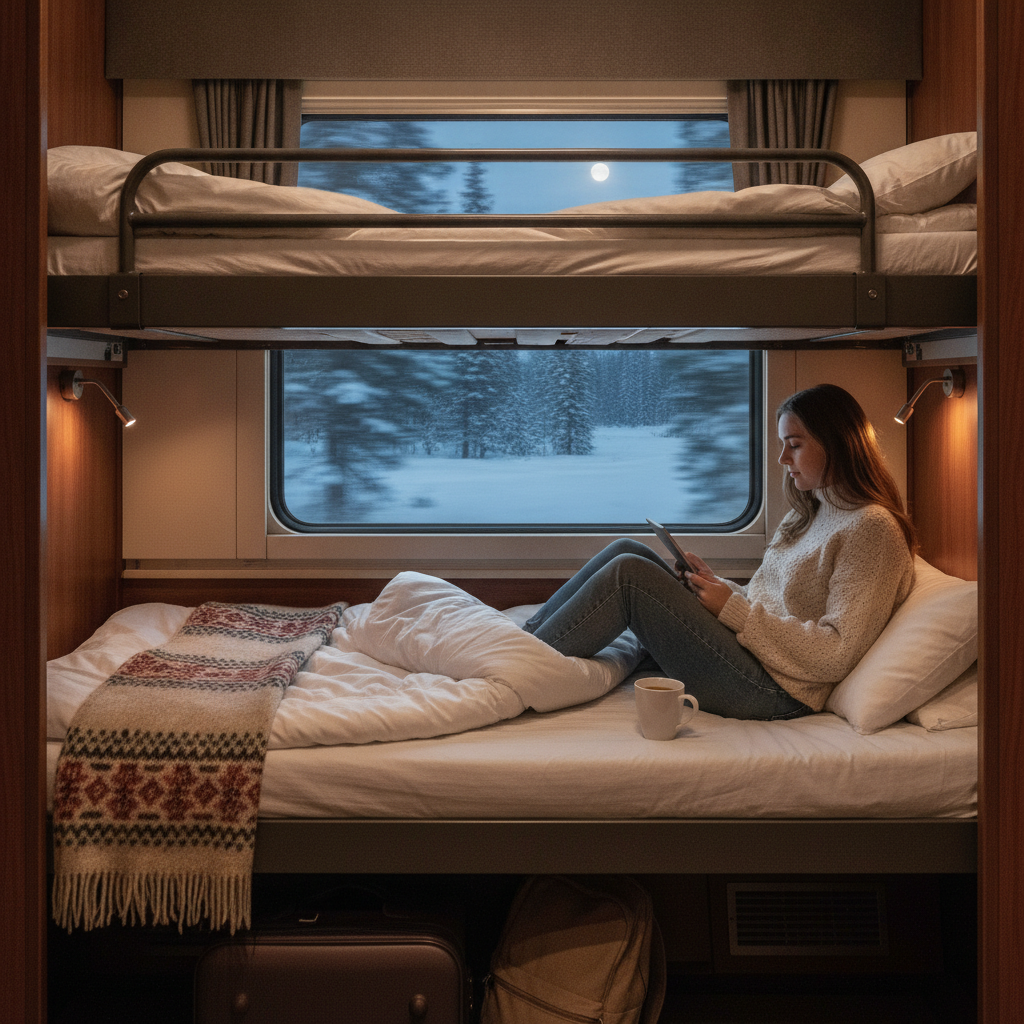
Sleeper cabins and couchette berths on trains like Sweden's SJ Night Train sell out weeks in advance, especially during summer and around public holidays. Booking early isn't just smart — it's often the difference between securing a flat bed and sitting upright all night. The earlier you book, the lower the base fare tends to be, which compounds the savings. A sleeper berth that costs roughly the same as a mid-range hostel bed doubles as your transport for the night, effectively eliminating one night's accommodation cost entirely.
Understand the Route Options Available to You
Sweden has the most developed overnight rail network in the region. SJ operates routes connecting Stockholm to cities like Östersund, Luleå, and Narvik — that last leg crossing into Norway through dramatic Arctic scenery. Finland's VR runs overnight services between Helsinki and Rovaniemi, the gateway to Finnish Lapland. Norway's overnight options are more limited but include the Bergensbanen and Nordlandsbanen routes. Knowing what's available before you start planning prevents you from building an itinerary around connections that don't exist.
Use Rail Passes Strategically, Not Automatically
Interrail and Eurail passes can work well for overnight journeys, but they don't always represent the best value in Scandinavia specifically. Sleeper supplements — the extra charge for a berth or cabin — apply even with a rail pass, and these fees can add up. For a focused trip within one country, point-to-point tickets booked through national rail operators like SJ or VR often come out cheaper than buying a pass. Run the numbers on your specific itinerary before committing. Passes make more sense when you're combining Scandinavian rail with broader European travel.
Time Your Arrivals to Maximize Your Day
One underappreciated benefit of overnight trains is that they tend to arrive in the morning, leaving you a full day to explore. A train leaving Stockholm at 9pm and arriving in Luleå at 7am gives you an entire day in a new city without losing time to daytime travel. This rhythm suits a tight itinerary well. You're not sacrificing sightseeing hours sitting on a train, and you're not paying for an extra night just to rest before exploring. The overnight train essentially buys you time as much as it saves money.
Pack Smart for a Comfortable Night Onboard
A decent overnight train experience depends more on preparation than the train itself. Bring a sleep mask, earplugs, and a light layer for warmth — cabins can fluctuate in temperature. Noise from other passengers, corridor movement, and station stops will wake you at least briefly, so managing expectations matters. Most overnight services provide basic bedding in sleeper cabins, but double-check before assuming. Bringing a small toiletry bag and a change of clothes in your carry-on lets you freshen up on arrival without digging through a large bag in a cramped cabin.
Combine Overnight Legs With Daytime Scenic Routes
Scandinavian rail is genuinely beautiful, and some routes are worth experiencing in daylight. The Flåm Railway and the Rauma Line in Norway are short but spectacular. Using overnight trains for long, featureless stretches — like the flat haul across northern Sweden — and reserving daytime trains for scenic highlights gives you the best of both. This approach also means you're not sleeping through landscapes you actually want to see. Plan the overnight legs as the logistical connectors and treat the daytime journeys as experiences in their own right.
Factor In What's Included to Calculate True Savings
Overnight train tickets in Scandinavia often include more than just the berth. Many sleeper cabins on SJ routes include breakfast, and the privacy of a private cabin adds comfort value that's hard to quantify directly. When comparing the cost of a sleeper ticket to a hotel plus a separate daytime train ticket, the math often favors the overnight option by a meaningful margin. Don't evaluate the ticket price in isolation — stack it against what you'd otherwise spend on both transport and accommodation for the same leg of the journey.
Use Apps and Booking Platforms That Work in the Region
Booking Scandinavian overnight trains through third-party platforms like Trainline or Omio is convenient, but going directly through SJ, VR, or the Norwegian national rail operator Vy sometimes surfaces cheaper fares and more cabin options. These national apps also tend to handle real-time changes and cancellations more smoothly. Setting up accounts before your trip and enabling notifications helps you catch seat releases for popular routes. The regional rail ecosystem in Scandinavia is well-developed digitally, and using the right tools makes the whole process straightforward.
Overnight rail travel in Scandinavia is becoming more appealing as sustainability-minded travelers look for alternatives to short-haul flying, and the region's rail operators are responding with expanded routes and upgraded rolling stock. Sweden in particular has announced plans to extend sleeper connections across more of its northern routes, which means the options available in 2026 are already better than they were just a few years ago. Staying tuned to route expansions and new booking windows will reward travelers who plan ahead — this is a space where early movers consistently get the best cabins at the best prices.