Every city has a pulse, and most visitors never find it. They arrive with a list of landmarks, spend their days moving between tourist corridors, and leave having seen the surface but missed the substance. Reading a city like a local isn't about pretending you live there — it's about understanding how the place actually moves before you step off the plane. A little pre-trip research into neighborhood rhythms can completely change how a destination feels.
Research the Neighborhoods Before Booking Accommodation
Where you sleep shapes everything that follows. Before confirming any booking, spend time learning which neighborhoods have the character that matches how you actually travel. In Lisbon, staying in Mouraria feels entirely different from Príncipe Real, even though they're minutes apart. Read recent travel forums, local blogs, and app reviews on platforms like Google Maps, which now surfaces neighborhood descriptions from locals and frequent visitors. A centrally located but poorly understood neighborhood can cost you hours of unnecessary commuting and drain the kind of energy that makes travel feel rewarding.
Track the Weekly Rhythm of Markets and Local Events
Cities operate on weekly cycles that tourists often miss entirely. Farmers markets, flea markets, neighborhood festivals, and outdoor cinemas all follow predictable schedules tied to specific days and seasons. Before arriving, search for a city's weekly event calendar through its official tourism board or community sites. In Tokyo, for example, neighborhood shrine markets follow a lunar calendar that takes a few minutes to look up but rewards those who do. Knowing that a particular Sunday market runs only in certain months — and that it's one block from your hotel — turns a random morning into a genuinely local experience.
Use Google Maps Timeline Features to Study Foot Traffic Patterns
Google Maps offers more than directions. Its "Popular Times" data for parks, cafes, transit stations, and public spaces reveals when a neighborhood is buzzing versus quiet. Checking this before your trip helps you decide when to visit a busy piazza for atmosphere and when to arrive at a museum to avoid a two-hour line. Pair this with satellite and street view modes to get a spatial feel for scale and density. A neighborhood that looks compact on a standard map may reveal itself to be a steep, winding climb once you look at the terrain.
Find the Neighborhood's Anchor Institutions
Every neighborhood worth knowing has a few anchor institutions — a beloved bakery that's been there for forty years, a market hall, a community square, a post office that doubles as a social hub. These places are where daily life concentrates. Identifying them before you arrive gives you specific destinations that feel authentic rather than performative. In Barcelona, neighborhoods like Gràcia have anchor squares like Plaça del Sol that fill with locals in the evening, operating on a rhythm completely separate from the tourist zones nearby. Finding these spots takes about twenty minutes of research and pays off every day of the trip.
Map the Transition Zones Between Neighborhoods
The edges between neighborhoods are often the most interesting places to spend time. These transition zones — where two distinct communities share a few blocks — tend to have eclectic food, independent shops, and a mix of people that neither neighborhood fully contains on its own. In cities like New York or Berlin, these edge zones shift faster than the neighborhoods themselves, making them ideal places to find something genuinely new. Before arriving, look at neighborhood boundary maps and identify two or three of these overlapping areas to explore without an agenda.
Read the Transportation Infrastructure Like a Story
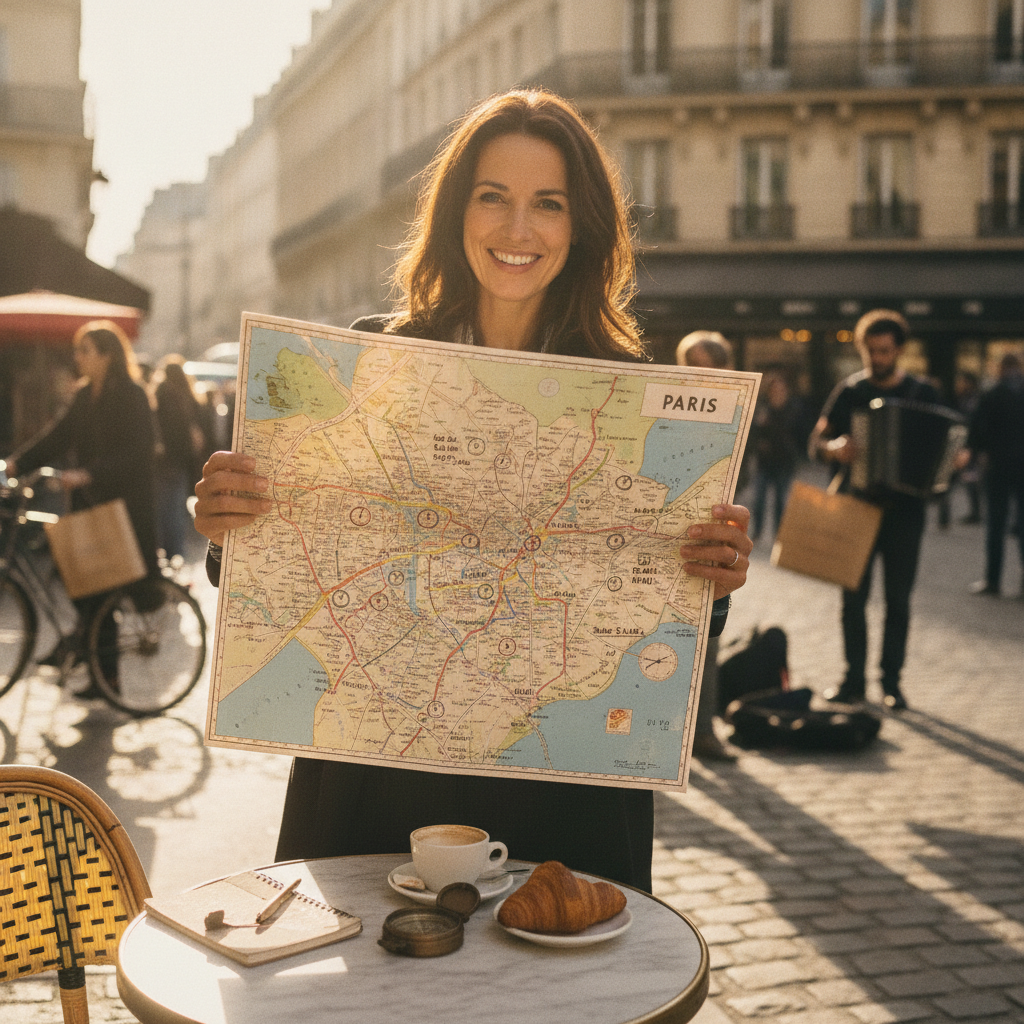
How a city moves its people reveals a great deal about its priorities and its character. Studying the metro map before arrival isn't just practical — it tells you which neighborhoods the city considers central and which it treats as peripheral. A neighborhood with no direct transit link is either undervalued or intentionally preserved. In cities like Seoul, the subway system connects everything efficiently, while certain outer districts require a bus transfer that signals a shift in density and pace. Understanding the infrastructure in advance helps travelers build more realistic daily plans and avoid the frustration of misjudging travel time between areas.
Follow Local Journalists and Neighborhood Accounts on Social Platforms
One of the most practical pre-trip tools available is simply following a city's local media voices. Neighborhood newsletters, community Instagram accounts, and local journalist feeds on platforms like Substack often cover the kind of granular, present-tense detail that guidebooks can't capture. A wine bar that just opened, a weekend street closure, a pop-up market running for three days — this is the layer of information that makes a visit feel genuinely current rather than based on outdated print recommendations. Spending fifteen minutes finding two or three local voices before departure is one of the highest-return research habits a traveler can build.
Time Your Arrival to Match the City's Natural Opening
Cities have a natural tempo throughout the day, and arriving at the wrong time in the wrong neighborhood can create a misleading first impression. Mediterranean cities shift their energy dramatically after 9 p.m., while northern European capitals tend to peak in the mid-afternoon. Knowing when your destination neighborhood comes alive — and planning your first full day around that rhythm rather than against it — sets a tone for the entire trip. Arriving in a sleepy quarter at the wrong hour and assuming the city is dull is one of the most common and easily avoided travel mistakes.
The tools for reading a city before arrival keep improving, and travelers who use them thoughtfully arrive with a genuine head start. As mapping platforms grow more detailed and local voices become easier to find online, the gap between a tourist's experience and a local's experience continues to narrow for those willing to look. The city has always been readable — it just rewards the curious enough to study it first.