Travelers often arrive at places like Teotitlán del Valle with the best of intentions and still manage to get it wrong. Not through carelessness, exactly, but through an honest lack of context — not knowing what questions to ask, what to buy, what to photograph, or how to simply be present without making the visit feel extractive. Oaxaca's indigenous weaving communities are among the most culturally rich in the Americas, and they are also among the most frequently misunderstood by visitors who mistake access for permission.
What Makes Oaxacan Textile Villages Culturally Distinct?
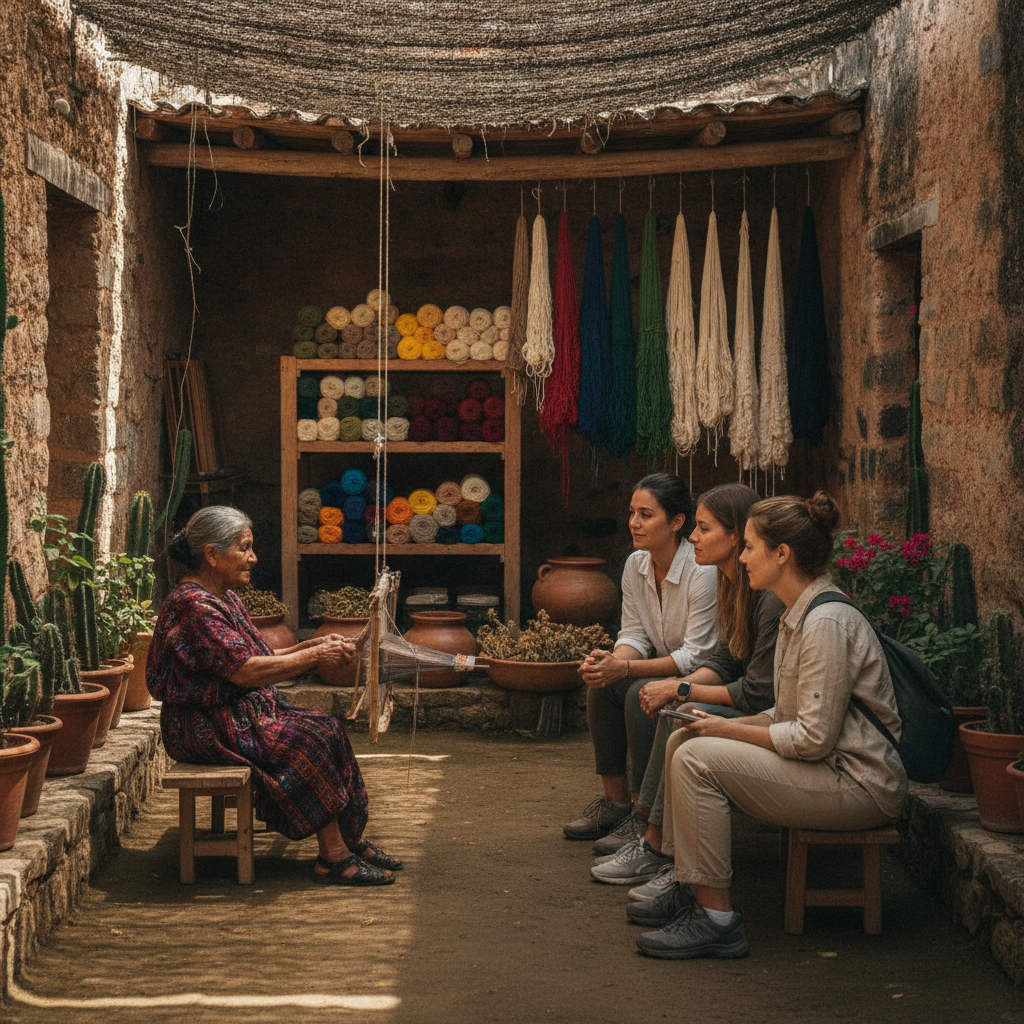
The villages surrounding Oaxaca City — Teotitlán del Valle, San Marcos Tlapazola, and Santo Tomás Jalieza, among others — are not craft markets in the conventional sense. They are living communities where weaving is inseparable from identity, ceremony, and memory. In Teotitlán, Zapotec families have been producing hand-loomed rugs and textiles for over two thousand years, using natural dyes derived from plants, minerals, and insects like the cochineal. The act of weaving carries spiritual weight. Understanding this context before you arrive is what separates a meaningful visit from a transaction dressed up as cultural tourism.
How Should You Choose Who to Visit and Buy From?
Not all textile sellers in Oaxaca are artisans from the communities themselves. The city's markets are full of resellers offering machine-made or mass-produced goods misrepresented as handmade. If the goal is to support the communities that actually produce these textiles, buying directly from weaving families in their villages is the most meaningful choice. Organizations like Traditions Mexico offer guided visits that connect travelers with established artisan families. Buying from a known weaver at their home, watching the loom in motion, and paying a fair price — not bargaining aggressively — creates a genuine exchange rather than a hollow one.
Why Does Bargaining Cause More Harm Than It Seems?
In many travel contexts, negotiating price is expected and even playful. In Oaxacan weaving communities, aggressive bargaining carries a different weight. A hand-loomed rug can take weeks or months to complete. The price reflects not just materials — which include labor-intensive natural dyeing processes — but generational skill, time, and cultural knowledge. When visitors treat these objects like market commodities and push for the lowest possible price, it devalues the work in ways that ripple through the community's economic stability. Paying what a weaver asks, or close to it, is not naivety. It is respect made practical.
What Role Does Language and Greeting Play?
Arriving in a village and heading directly to a workshop without any acknowledgment is one of the most common missteps visitors make. Many residents of these communities speak Zapotec as their primary language, with Spanish as a second tongue. Learning even a few words of greeting in Zapotec — *diidxazá* in the Isthmus dialect, though variants differ by region — signals genuine curiosity rather than entitlement. At minimum, greeting people warmly in Spanish, moving slowly, and asking before photographing anyone or anything sets a tone of consideration. The way you enter a space communicates as much as anything you say.
When Is It Appropriate to Photograph Weavers and Their Work?
Photography is one of the most fraught areas of community tourism, and Oaxacan villages are no exception. Photographing someone's home, workshop, or person without explicit permission — however well-intentioned — is an intrusion. Some families welcome documentation of their work and are happy to pose beside their looms. Others find it uncomfortable or consider certain pieces of cultural significance too sacred to be casually photographed. The safest approach is to ask directly and accept any answer graciously. Purchasing a textile and then photographing your own piece at home is always appropriate. Treating someone's livelihood as a backdrop for social media content, without their consent, is not.
How Can You Prepare Before You Arrive?
Reading about Zapotec history, even briefly, changes how you experience these visits. There are excellent resources on the history of cochineal dyeing, the Spanish colonial disruption of indigenous weaving traditions, and the community-led revival movements that have sustained these crafts. Asking your accommodation in Oaxaca City to recommend a local guide — rather than booking through a large tour aggregator — keeps money circulating locally. Websites like Oaxaca Cultural Navigator offer thoughtful introductions to the region's communities. Arriving with even a basic understanding of what you're witnessing lets you ask better questions, notice more, and carry something real away.
What Does Responsible Visiting Actually Look Like in Practice?
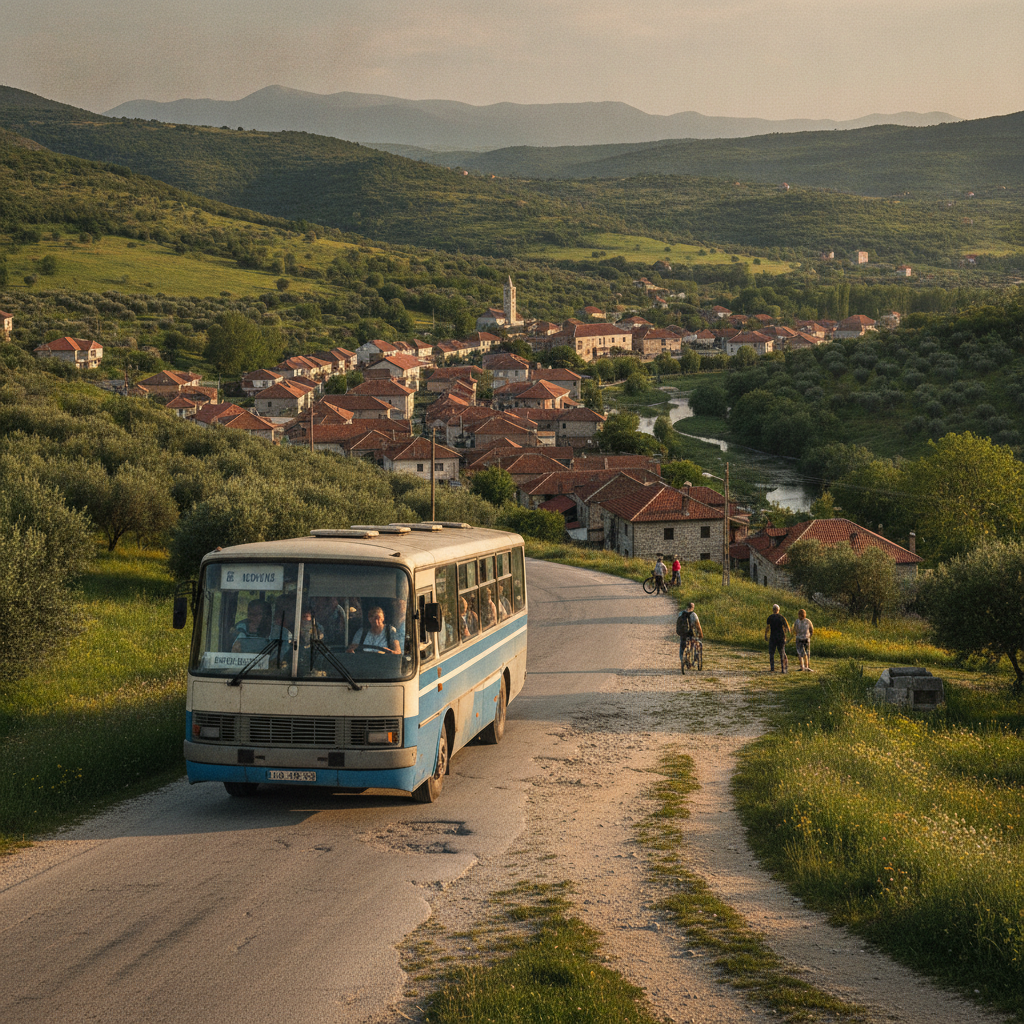
When you show up to one of these villages having done the work — knowing a little history, ready to pay fair prices, willing to move slowly — something shifts in the quality of the experience itself. You stop being a tourist passing through and start being a guest who was worth welcoming. The textiles you bring home hold more meaning because you understand something of what went into them. The community benefits more concretely because your visit was structured to give rather than just take. Responsible travel in places like Teotitlán del Valle isn't about following a checklist of dos and don'ts. It's about arriving as someone who took the time to care before they ever stepped off the bus.
Oaxaca's textile villages have endured conquest, commodification, and centuries of pressure on their traditions. They remain because the communities that hold them have chosen to keep them alive. The traveler who approaches that reality with humility, curiosity, and a willingness to learn leaves having received something far more valuable than a souvenir. Start by learning the name of one village, one weaving family, one dye plant. That first small act of preparation is what opens the door to a visit worth making.