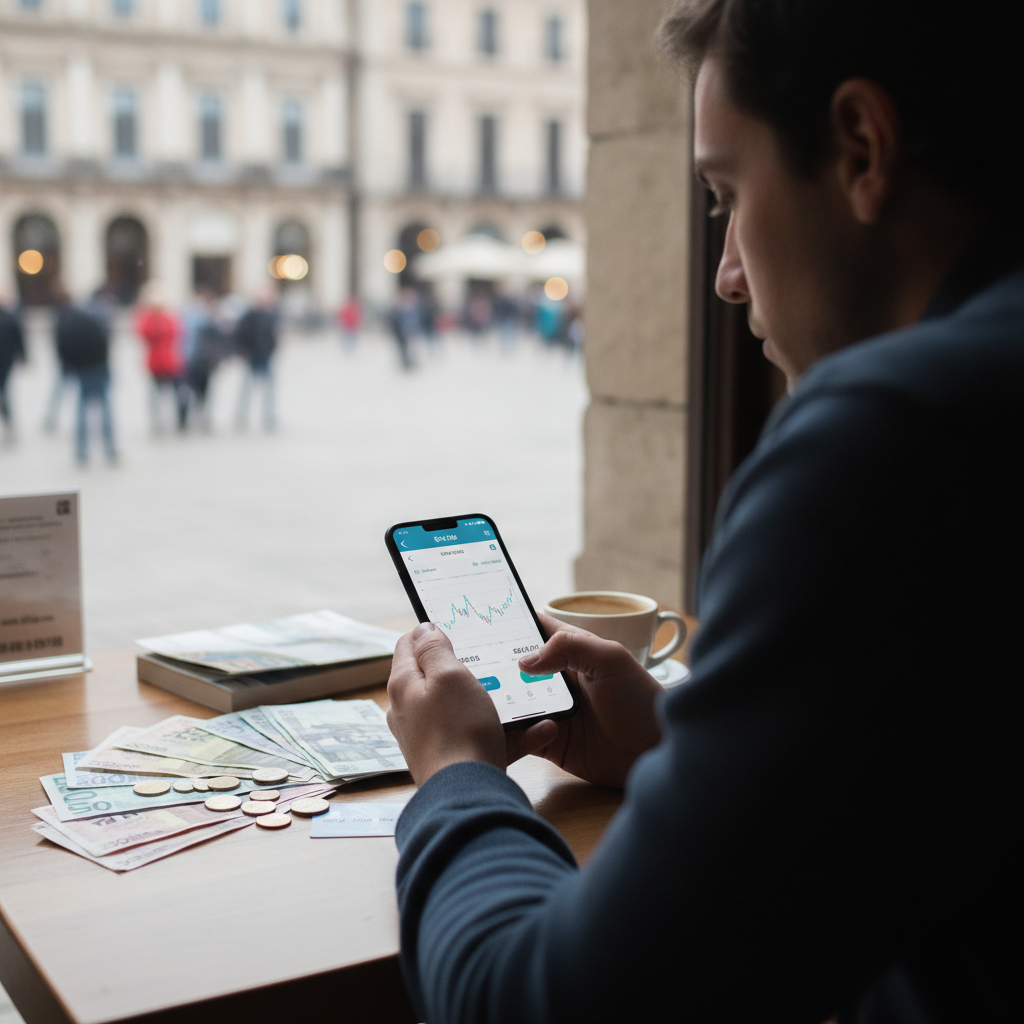
Extended international travel is one of the most rewarding ways to spend your time — and one of the most quietly expensive, thanks to fees you never agreed to pay. Every time you swipe a card abroad, withdraw from an unfamiliar ATM, or exchange cash at an airport kiosk, small costs stack up in ways that rarely show on the receipt. Over weeks or months of travel, those invisible charges can amount to a meaningful chunk of your budget. The good news is that with a little planning and the right tools, most of them are entirely avoidable.
Understand Where the Hidden Fees Actually Come From
Before you can cut costs, you need to know what you're actually being charged for. Most travelers encounter three main fee types: foreign transaction fees (a percentage your home bank charges on every international purchase), ATM withdrawal fees (charged by both your bank and the local machine), and currency conversion markups (when a merchant or ATM offers to convert to your home currency on the spot — almost always at a terrible rate). Knowing these exist is half the battle. The other half is choosing accounts and habits that sidestep them entirely.
Open a Fee-Free Travel Account Before You Leave
This is the single highest-impact step you can take. Banks like Charles Schwab and Wise offer accounts specifically designed for international use — no foreign transaction fees, and in Schwab's case, full ATM fee reimbursements worldwide. Wise operates as a multi-currency account, letting you hold balances in dozens of currencies and convert between them at the mid-market rate, which is the fairest exchange rate available. Setting one of these up before your departure takes about 15 minutes online and can save you more than any other single action on this list.
Time Your Currency Exchanges Around Market Rhythms
Exchange rates aren't fixed — they shift throughout the day and week based on global market activity. Rates tend to be more favorable during active trading hours when the relevant currency markets overlap, typically mid-week rather than over the weekend when liquidity drops. If you need to exchange a significant amount of cash, Monday morning rates often reflect weekend volatility, while Tuesday through Thursday tends to offer steadier conditions. You don't need to time the market perfectly, but avoiding weekends and airport exchanges alone makes a noticeable difference.
Use Local Banking Apps to Compare Real-Time Rates
In many countries, local banking apps and fintech platforms give you access to exchange rates that foreign visitors rarely know exist. In Southeast Asia, apps like GrabPay integrate currency functionality with everyday spending. In Europe, Revolut allows you to lock in exchange rates during favorable windows, which is especially useful if you know you'll need a specific currency later in your trip. Spending ten minutes exploring what's available in your destination country before you arrive often reveals options that beat anything your home bank offers by a noticeable margin.
Always Pay in Local Currency at Merchants and ATMs
When a point-of-sale terminal or ATM asks whether you'd like to pay in your home currency, decline every time. This practice — called dynamic currency conversion — sounds convenient but actually transfers the exchange rate control to the merchant's payment processor, which typically applies a markup well above the standard rate. Choosing local currency means your bank or card processor handles the conversion instead, almost always at a better rate. The option is framed as a service, but it's effectively an opt-in fee.
Withdraw Cash in Larger, Less Frequent Amounts
If you're using ATMs abroad, the per-withdrawal fee structure makes frequent small withdrawals expensive. A flat fee of a few dollars per transaction hurts more on a $40 withdrawal than a $200 one. Rather than stopping at an ATM every two or three days, plan your cash needs weekly and withdraw enough to cover the period. This requires a bit more budgeting awareness, but it directly reduces the number of times you're hit with fees — and keeps you from making impulsive decisions at airport or hotel ATMs, which almost always carry the highest fees of any machine you'll find.
Monitor Exchange Rate Trends for Your Key Destinations
If your itinerary takes you through multiple countries over several months, it's worth setting up rate alerts through apps like XE or Google Finance for currencies you'll need in large quantities. You won't always be able to act on favorable windows immediately, but for planned expenses — booking accommodation, purchasing a rail pass, or prepaying for tours — knowing when the rate favors you gives you a real edge. Even a few percentage points on a significant transaction compounds meaningfully across a long trip.
Build a Simple Cash Buffer Strategy for Each Country
One underrated approach to fee minimization is arriving in each new country with a small buffer of local currency already on hand, sourced before the trip through a service like Wise or a local bank branch. This prevents the first-day scramble to an airport ATM when you're tired, jet-lagged, and surrounded by machines with poor rates. A modest emergency cash reserve also means you're never forced into a bad exchange simply because you need to pay for transportation or a meal immediately. Planning for the first 24 hours in each destination is a small habit with a disproportionate payoff.
The way travelers manage money abroad is changing quickly. Fintech platforms are expanding their multi-currency capabilities, more countries are enabling real-time mobile payment systems accessible to foreign visitors, and traditional banks are under increasing pressure to reduce international fees to stay competitive. The tools available in 2026 are already far better than what existed just a few years ago. Staying aware of new apps and account options as you travel — not just before you leave — means you can keep adapting and keep more of your money where it belongs: funding the experiences that made you book the trip in the first place.