Some of the world's most celebrated places have become victims of their own fame. UNESCO World Heritage Sites — from the temples of Angkor Wat to the ancient streets of Dubrovnik — draw millions of visitors each year, and the experience of standing in a queue rather than absorbing a place's history has become frustratingly common. The good news is that timing remains one of the most powerful tools a traveler has, and shoulder season in particular offers a genuine solution that requires planning rather than luck.
Understand What Shoulder Season Actually Means
Shoulder season sits between peak and off-season — typically spring (April–May) and autumn (September–October) in the Northern Hemisphere, though this shifts depending on the destination. It's not simply a matter of avoiding summer crowds; it's about identifying the specific weeks when visitor numbers drop but conditions remain favorable. At most UNESCO sites, this window is surprisingly narrow — sometimes just three to four weeks — which makes knowing the precise timing far more valuable than a general preference for traveling outside July and August.
Research Each Site's Individual Crowd Calendar
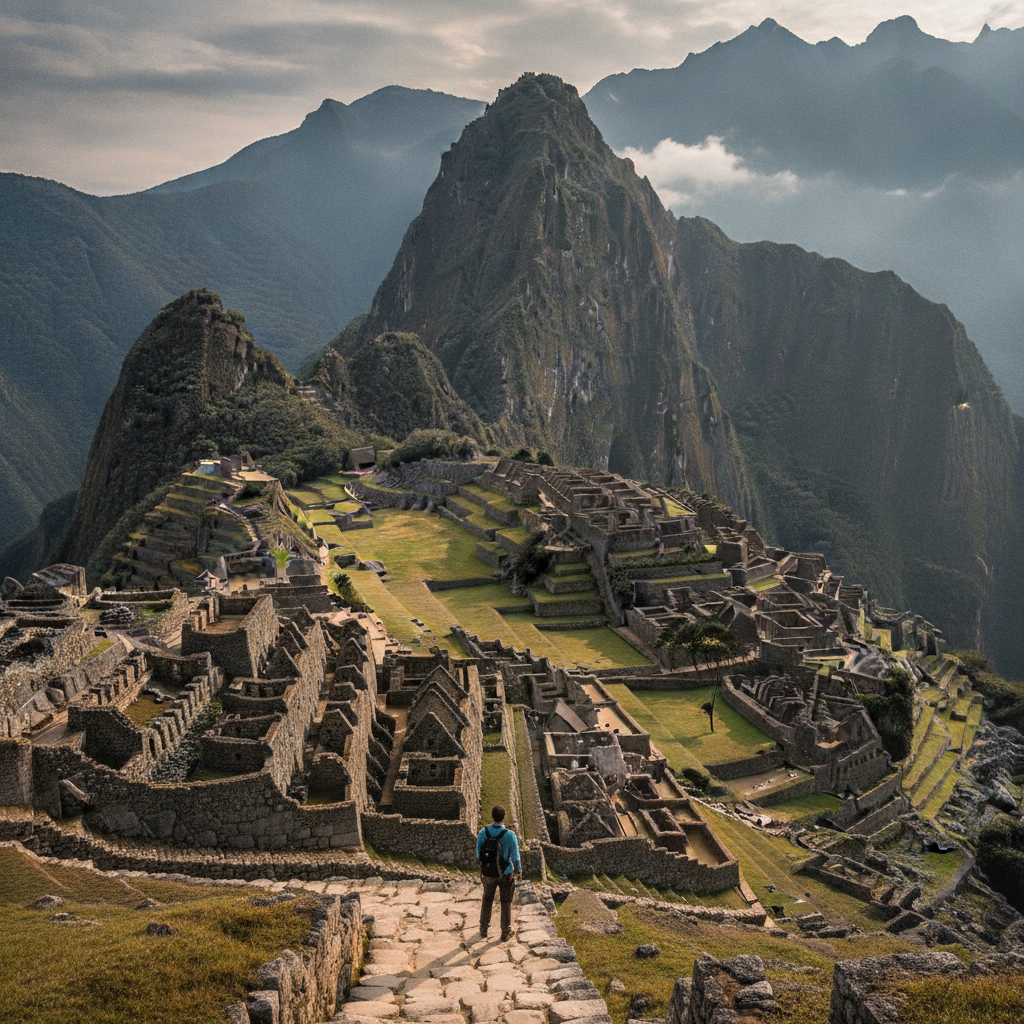
Not all UNESCO sites follow the same seasonal pattern. Machu Picchu, for example, sees its heaviest traffic from June through August and around Inti Raymi in late June, making May and September the sweet spots. Dubrovnik's Old City in Croatia peaks hard in July and August, while late September offers warm seas and dramatically thinner crowds. Apps like Google Maps' Popular Times feature and crowd-tracking platforms such as Sygic Travel give site-specific data rather than generic seasonal advice. Treat each destination as its own research project rather than applying a one-size-fits-all travel calendar.
Book Accommodations Closer to the Site Than You Think
Staying within walking distance of a UNESCO site pays dividends during shoulder season in ways that aren't obvious at first. When tour buses arrive mid-morning, those staying nearby can have already spent two hours at the site before crowds build. In places like Hoi An, Vietnam, where the Ancient Town fills quickly after breakfast, a guesthouse within the old quarter means you're present at dawn without coordinating transport. Shoulder season also tends to improve accommodation availability at smaller, character-rich properties that get booked months out during peak times.
Time Your Arrivals Around Tour Bus Schedules
Large group tours follow predictable patterns that independent travelers can use to their advantage. Most organized tours arrive at major sites between 9 a.m. and 11 a.m. and depart by early afternoon. Arriving at opening time — or in some cases, booking a dedicated early-access slot — positions you ahead of the bulk of daily visitors. At Angkor Wat in Cambodia, sunrise visits remain popular but the lesser-known temples like Ta Prohm and Banteay Srei see their lowest traffic before 8 a.m. During shoulder season, this timing strategy becomes even more effective because the baseline crowd level is already reduced.
Use Timed Entry Tickets as a Planning Framework
Many UNESCO sites now require timed entry reservations, and this system actually benefits shoulder season travelers more than peak visitors. During high season, popular time slots sell out weeks in advance. In shoulder season, the same slots remain available with shorter booking windows, giving travelers greater flexibility to adjust plans around weather or personal schedule. Sites like the Uffizi Gallery in Florence and the Acropolis in Athens have formalized timed entry systems that reward those who plan even modestly ahead. Treating the ticket booking process as the starting point for your day's structure — rather than an afterthought — changes how smoothly the visit unfolds.
Prioritize Weekday Visits Over Weekend Arrivals
Even during shoulder season, weekend traffic at accessible UNESCO sites climbs noticeably because domestic visitors combine with international tourists. A Wednesday visit to the Medina of Fez or the historic center of Salzburg feels measurably calmer than a Saturday visit, even in October. This principle applies with particular force to sites near major cities, where locals take day trips on weekends year-round regardless of tourist season. Structuring an itinerary so that the most iconic sites fall on Tuesday through Thursday — while reserving weekends for quieter activities — consistently produces a better on-the-ground experience.
Combine Lesser-Known Sites With the Headline Destination
Shoulder season is the ideal time to pair a famous UNESCO site with nearby but undervisited alternatives on the same list. The Dolomites in northern Italy attract far less foot traffic than Cinque Terre, yet both carry UNESCO designation and the scenery is equally compelling. In Peru, the Sacred Valley towns of Pisac and Ollantaytambo offer ruins that rival Machu Picchu in historical significance but see a fraction of the visitor volume. Spreading attention across multiple sites within a region reduces the concentration of your own time at any single location and opens up experiences that peak-season visitors rarely encounter.
Factor in Local Festivals and School Holiday Dates
Shoulder season isn't uniformly quiet, and overlooking local school breaks or regional festivals can undermine otherwise well-timed plans. Japan's Golden Week in late April and early May, for instance, falls squarely in what would otherwise be ideal shoulder timing for Kyoto's temples and shrines. Similarly, public holidays in the host country — not just in your home country — drive domestic tourism surges that can briefly recreate peak-season conditions. Checking the national holiday calendar of your destination as part of the planning process takes minutes and can save hours of frustration on the ground.
The broader shift toward timed-entry systems, digital crowd monitoring, and conservation-focused tourism policies is gradually changing how the world's most significant sites are managed. As more destinations adopt visitor caps and reservation requirements year-round, the advantage of shoulder season will evolve — but the underlying logic of traveling when others aren't will remain sound. Staying informed about new access policies at specific sites before booking keeps that advantage intact and ensures each journey lives up to the place's reputation rather than working against it.