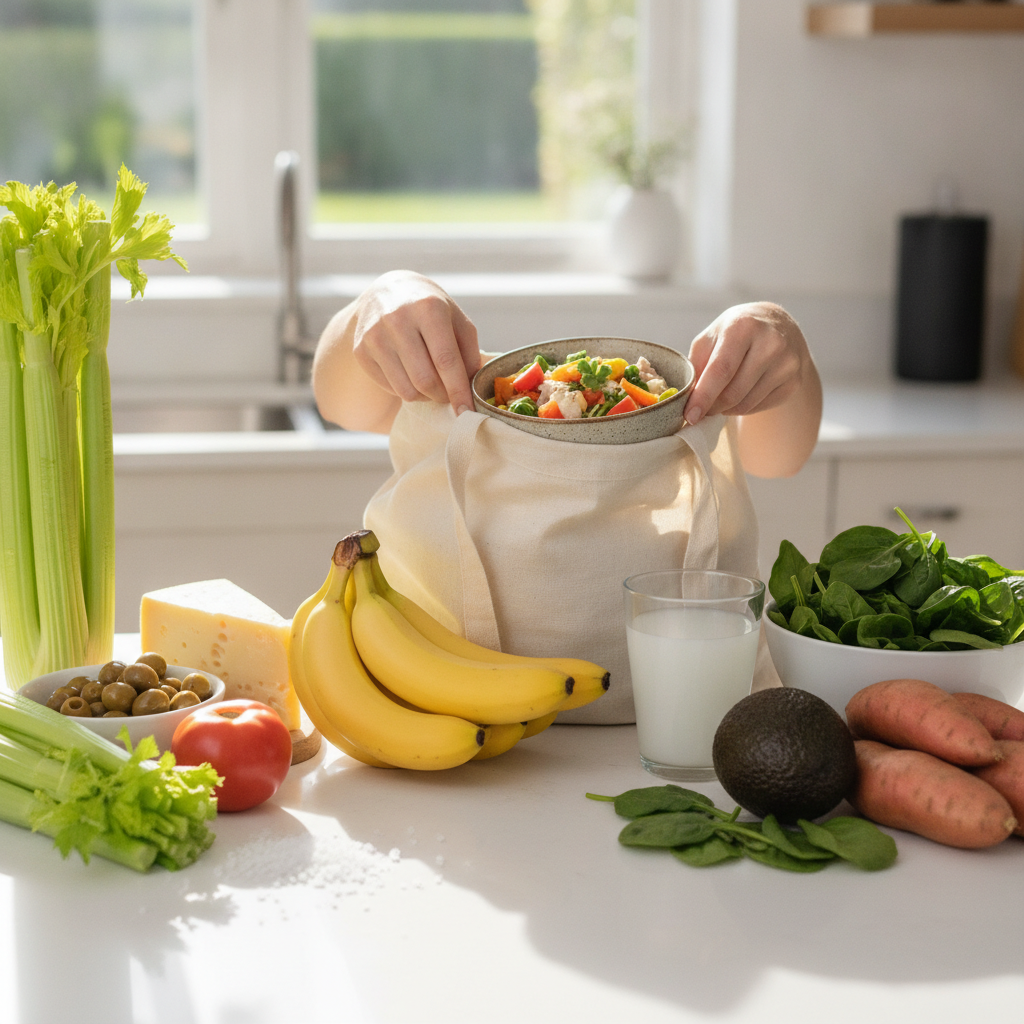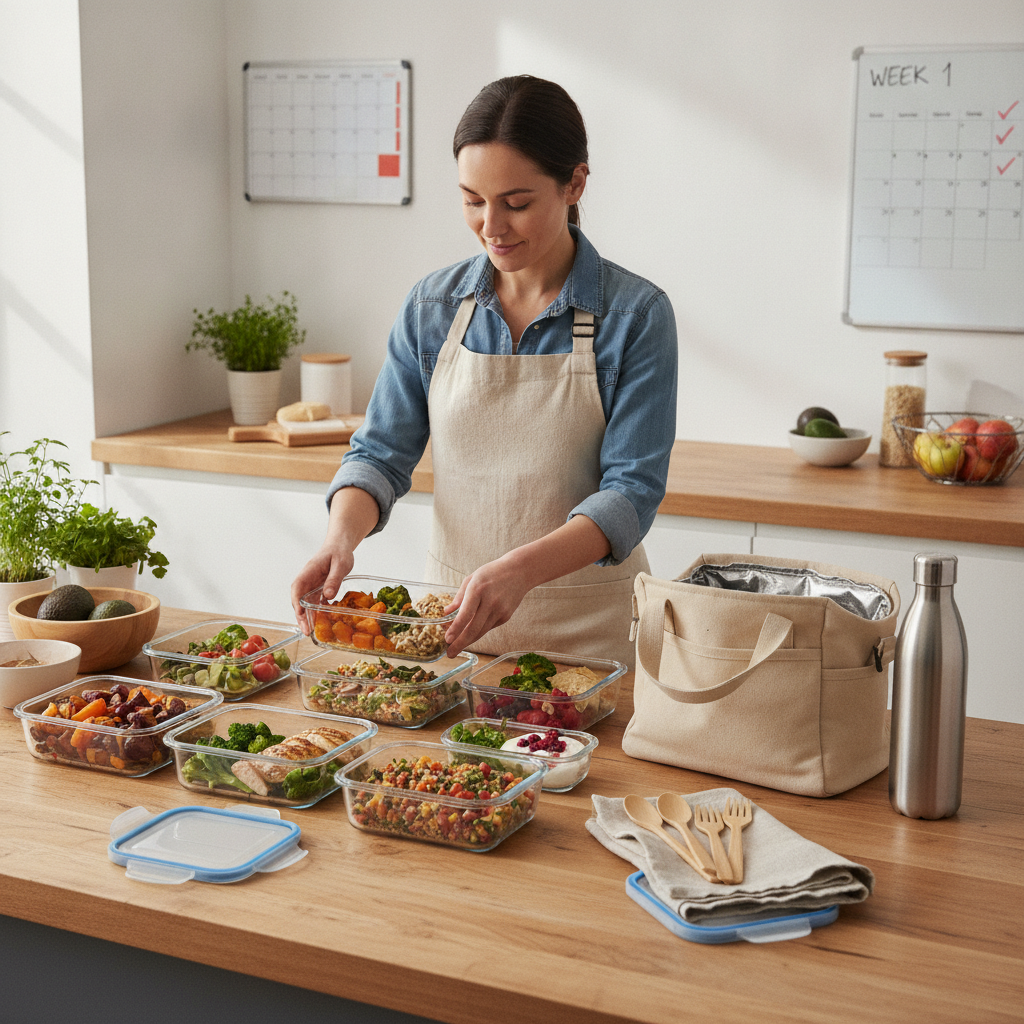
Weekday eating tends to fall apart not because people lack good intentions, but because the gap between a busy afternoon and a nourishing dinner is simply too wide to bridge on willpower alone. When you're juggling back-to-back meetings, school pickups, or a commute that eats half your evening, the drive-through starts to look a lot more reasonable than a cutting board and a pile of vegetables. The good news is that sustainable meal prep isn't about spending your entire Sunday in the kitchen — it's about making a few strategic decisions ahead of time so your weekdays run on momentum rather than guesswork.
How Do You Choose the Right Prep Day Without Burning Out?
Picking the right prep window matters more than most people realize. Rather than defaulting to a full Sunday overhaul, consider splitting prep across two lighter sessions — one on Sunday and one midweek, say Wednesday evening. This keeps food fresher, reduces the mental weight of one massive cooking block, and gives you more flexibility if your schedule shifts. Even 45 minutes of focused prep can yield enough grains, roasted vegetables, and proteins to carry you through several days without feeling like you've spent your weekend chained to the stove.
What Should You Actually Prep to Get the Most Mileage?
The most effective meal prep focuses on components rather than complete meals. Cook a batch of brown rice or farro, roast two sheet pans of whatever vegetables look good, and prepare a versatile protein like baked chicken thighs or a big pot of lentils. From those building blocks, you can assemble grain bowls, toss together a quick stir-fry, or stuff a wrap in under five minutes. This approach keeps eating interesting throughout the week because you're mixing and matching rather than eating the same reheated dish four nights in a row.
How Does Batch Cooking Protein Actually Save Time?
Protein is almost always the most time-consuming part of a weeknight meal, and it's the piece most worth preparing in advance. Cooking a large batch of protein — whether that's hard-boiled eggs, roasted chickpeas, or a slow-cooked pulled chicken — takes roughly the same hands-on effort as cooking one portion, but pays dividends all week long. Apps like Mealime can help you plan around ingredients you've already prepped, reducing decision fatigue when you're hungry and tired. Having protein ready to go means dinner goes from a 40-minute project to a 10-minute assembly.
Why Does Keeping a Simple Pantry System Change Everything?
A well-stocked pantry is the quiet backbone of any successful meal prep habit. Staples like canned tomatoes, dried pasta, tahini, olive oil, and a rotation of legumes from brands like Eden Organics or Muir Glen mean you always have the foundation of a real meal even when your fridge looks sparse. When you build your pantry intentionally — rather than stocking it reactively — you spend less time at the grocery store mid-week and more time actually eating well. Think of the pantry as your safety net, not just storage.
How Can You Make Grocery Shopping Take Half the Time?
Grocery shopping becomes far less draining when you approach it with a repeatable structure. Organizing your list by store section — produce, proteins, dairy, dry goods — cuts wandering time considerably. Sticking to a reliable store like Trader Joe's or a local co-op where you know the layout creates a kind of autopilot efficiency. Planning meals around what's already in the pantry before writing your list also reduces both spending and food waste, which makes the whole system feel more sustainable rather than like a chore that resets every week.
What Role Does Freezer Cooking Play in a Realistic Routine?
The freezer is one of the most underused tools in a home kitchen. Soups, stews, cooked grains, and marinated proteins all freeze well and can be pulled out on a particularly chaotic evening when prep didn't happen and takeout feels inevitable. Dedicating even a small portion of a prep session to building up the freezer — a batch of turkey meatballs, a container of black bean soup — creates a buffer that keeps your eating habits intact even when life doesn't cooperate. It's insurance for the weeks you need it most.
How Do You Stay Consistent When Motivation Fades?
Consistency in meal prep is less about motivation and more about lowering the activation energy required to start. Keeping your containers clean and accessible, having your knives sharp, and playing a podcast or playlist you actually enjoy during prep time all reduce the psychological friction that makes skipping feel tempting. Habit stacking — attaching prep to something you already do reliably, like Sunday afternoon coffee — helps anchor the routine without relying on willpower. Small rituals make the habit feel less like a chore and more like a chosen part of your week.
How Do You Know When Your System Needs Adjusting?
A meal prep routine that worked beautifully in one season of life might not hold up when schedules shift or appetite patterns change. Pay attention to what you're actually eating versus what's sitting in the fridge going untouched — that gap is useful information. If you're skipping the prepped food in favor of takeout, the system needs tweaking, not abandoning. Maybe the portions are too large, the flavors have gone predictable, or the prep day doesn't fit your rhythm anymore. Treating your routine as a living system rather than a fixed plan is what makes it last.
Starting a meal prep habit doesn't require a complete kitchen overhaul or a perfectly planned week. Pick one thing — a batch of grains, a pot of soup, a tray of roasted vegetables — and build from there. Small, repeatable actions compound into real change over time, and the first step is always the most worthwhile one to take.