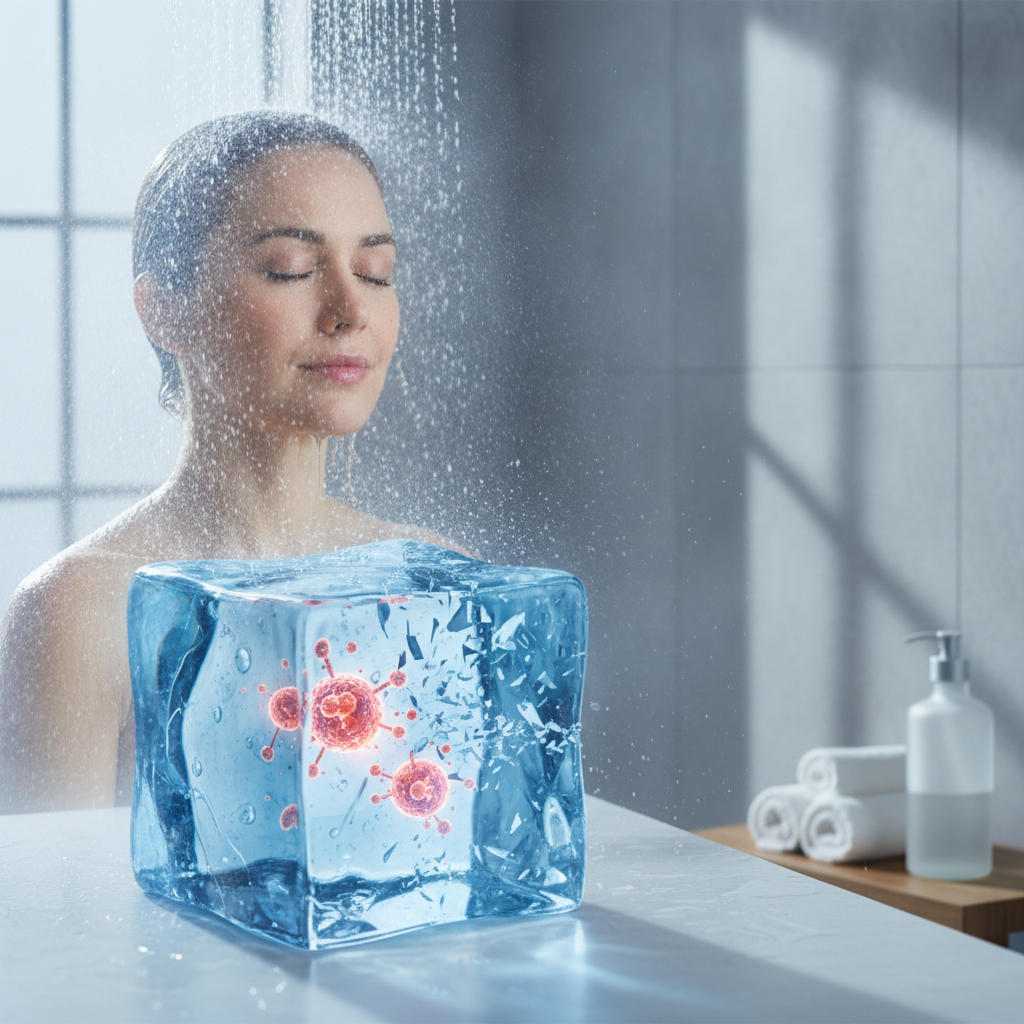
Chronic inflammation has become one of the most quietly pervasive health concerns of modern life, linked to everything from joint pain and fatigue to cardiovascular disease and metabolic disorders. While pharmaceutical interventions remain common, a growing body of physiological understanding points toward a surprisingly simple practice: deliberate cold exposure through cold showers. What was once considered a fringe wellness habit has gained serious traction in preventive health circles, with practitioners from Scandinavia to Silicon Valley incorporating it into daily routines.
What Chronic Inflammation Actually Does to the Body
Inflammation is not inherently harmful. In the short term, it's a vital immune response — the body's way of protecting tissue from injury or infection. The problem arises when that response becomes persistent, operating at a low but continuous level even when no threat exists. This low-grade, systemic inflammation gradually damages blood vessels, disrupts hormonal signaling, and accelerates cellular aging. Conditions like type 2 diabetes, arthritis, and certain autoimmune disorders are all closely tied to this chronic inflammatory state. Managing it requires more than treating symptoms — it requires influencing the underlying biological environment.
The Physiology Behind Cold Water and the Immune Response
When the body is exposed to cold water, a cascade of physiological responses is triggered almost immediately. Blood vessels near the skin constrict in a process called vasoconstriction, redirecting circulation toward the core. Norepinephrine — a hormone and neurotransmitter with significant anti-inflammatory properties — is released in substantial quantities. Over repeated exposures, the body begins to regulate this response more efficiently, producing a kind of adaptive resilience. This adaptation appears to reduce baseline levels of pro-inflammatory markers, essentially recalibrating the immune system's default setting. The mechanism isn't mysterious; it follows well-understood principles of hormesis, where controlled stress produces a strengthening response.
Why Consistency Matters More Than Intensity
One of the most common misconceptions about cold exposure is that colder means better. Research and clinical observation suggest otherwise. The temperature threshold that triggers the relevant physiological response is achievable in a standard home shower — typically between 10°C and 15°C (50°F–59°F). What matters far more than extremity of cold is regularity of practice. Short, consistent exposures — even two to three minutes per session — appear to be more effective over time than occasional, longer ordeals. The body builds its adaptive response incrementally, much like the way muscle tissue responds to progressive resistance training rather than a single intense effort.
How Cold Showers Compare to Other Cold Exposure Methods
Whole-body cold water immersion, popularized through methods associated with the Wim Hof Method and facilities like dedicated cold plunge clubs in cities such as Amsterdam and Melbourne, offers benefits that are broadly similar in mechanism to cold showers, though the intensity is markedly higher. For most people without access to specialized equipment or supervised environments, cold showers represent a practical, scalable entry point. Brands like Rinnai and Kohler have even developed shower systems that allow precise temperature control, making it easier to establish a consistent baseline. Cold showers won't replicate the full-body immersion experience, but for daily anti-inflammatory maintenance, they're a reasonable and accessible tool.
Realistic Timelines and What to Expect
The body doesn't transform overnight, and cold shower practice is no exception. Most practitioners report noticeable changes in energy, muscle soreness recovery, and mood within two to four weeks of daily practice. Anti-inflammatory effects, as measured by markers like C-reactive protein, tend to shift more gradually — often over a period of several months of consistent exposure. It's also worth understanding that cold showers work best as part of a broader lifestyle framework. Sleep quality, dietary habits, stress management, and physical activity all influence systemic inflammation. Cold exposure is a meaningful lever, but not the only one, and treating it as a standalone cure misrepresents what the science actually supports.
Building the Practice Into a Sustainable Routine
Starting cold shower practice doesn't require an immediate plunge into freezing water. A contrast method — beginning with warm water and transitioning to cold for the final two to three minutes — tends to produce better long-term adherence than cold immersion from the outset. You can begin with slightly cool temperatures and decrease gradually over the course of a week or two. Morning sessions tend to align well with cortisol rhythms, offering an energizing effect alongside the anti-inflammatory benefits. Evening sessions are less ideal for most people, as the stimulating norepinephrine response can interfere with sleep onset. If you have existing cardiovascular conditions or Raynaud's syndrome, consulting a healthcare provider before starting is essential.
As interest in preventive health continues to expand, cold exposure is likely to become a more formally integrated component of lifestyle medicine protocols. Clinics specializing in longevity and chronic disease prevention — including facilities affiliated with programs like the Cleveland Clinic's Wellness Institute — are increasingly examining non-pharmacological tools that influence inflammatory pathways. The research base is still maturing, and more precise recommendations around duration, frequency, and temperature are likely to emerge. For now, the evidence supports cold showers as a low-cost, physiologically grounded practice with real potential for those willing to be consistent and patient enough to let the benefits accumulate.