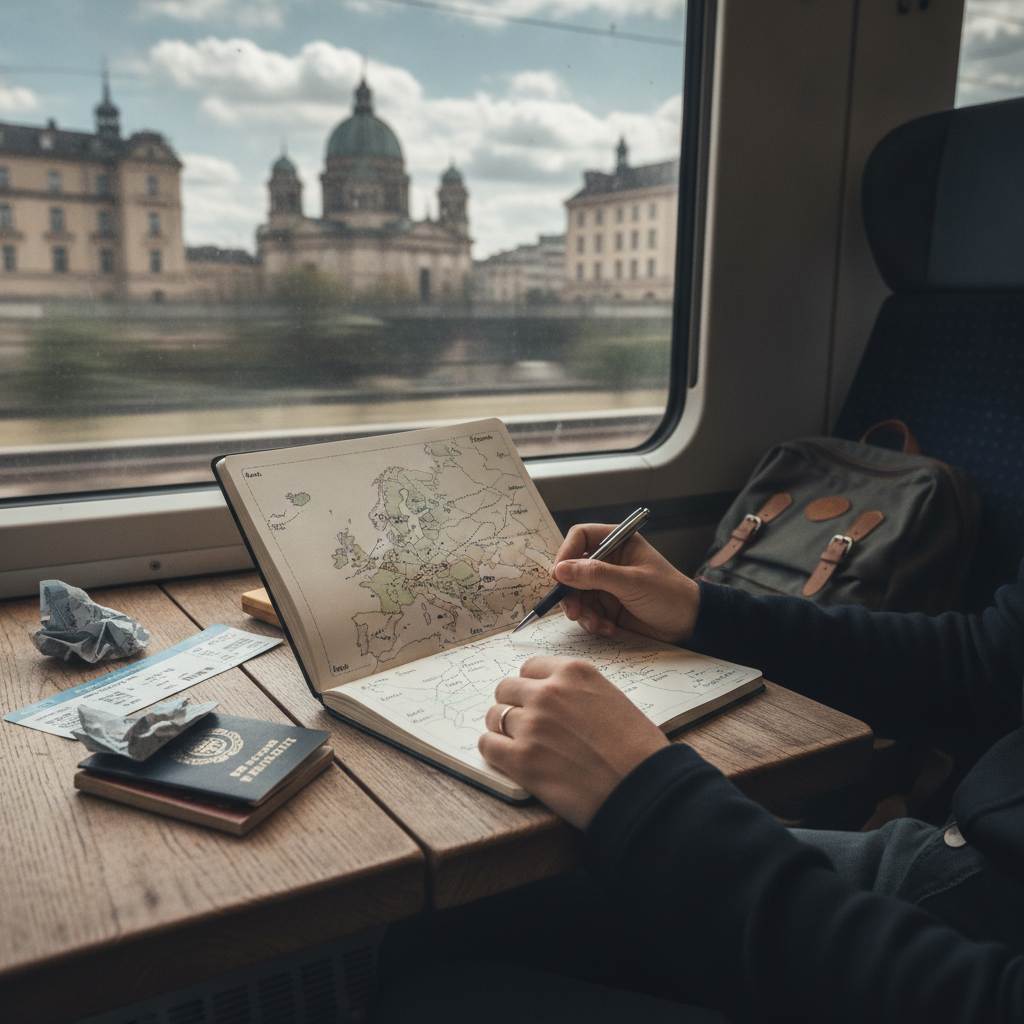
There's a particular kind of traveller who books a one-way ticket to Lisbon and figures out the rest somewhere between the second espresso and the third hour of watching countryside blur past a train window. No rigid schedule, no pre-booked hotels for every night, no colour-coded spreadsheet. Just a general direction and enough flexibility to change it. Planning a loose, multi-city rail journey through Europe is genuinely doable — and for many people, far more rewarding than a locked-in tour. The trick is knowing which parts of the trip actually need structure, and which parts are better left open.
Set a Rough Budget Before You Set a Route
Before anything else, work out what you're comfortable spending across the whole trip — not per day, but in total. Rail passes, accommodation, food, and spontaneous detours all pull from the same pool, and running out of money in Vienna is considerably less romantic than it sounds. A rough ceiling gives you a framework to make decisions on the road without constant mental arithmetic. Once you know your overall number, you can split it loosely into transport, accommodation, and daily spending, leaving a buffer for the unplanned.
Choose a Pass That Matches How You Actually Travel
Interrail (for European residents) and Eurail (for everyone else) remain the most flexible entry points for open-ended rail travel across the continent. Both offer passes counted in travel days rather than consecutive days, which suits a slower pace. If you know you'll spend several nights in each city, a ten-day pass spread over two months gives you breathing room without locking you into a punishing schedule. For high-speed routes — Paris to Barcelona, or Rome to Milan — you'll still need to book a seat reservation separately, so factor that into your planning.
Anchor the Trip With Two or Three Fixed Points
Full flexibility sounds appealing until you're standing in a train station at 9pm with nowhere to stay. The smarter approach is to anchor the journey with two or three confirmed bookings — usually the first night, a midpoint, and the final night before a flight home. Everything between those points stays open. This structure gives you a loose shape without the suffocating rigidity of a minute-by-minute itinerary. It also means you're not constantly scrambling, which is the part of spontaneous travel that most people don't mention when they're romanticising it.
Use the Right Apps for Last-Minute Logistics
A few tools make open-ended European travel considerably more manageable. The Trainline app covers most major European rail networks and shows real-time availability, which matters when you're deciding that morning whether to head to Bologna or Ljubljana. For accommodation, Hostelworld and Booking.com both allow same-day reservations in most cities, and filtering by flexible cancellation keeps your options open. Google Maps offline downloads are essential — European data roaming has improved, but underground stations and rural stretches still eat your signal at the worst moments.
Learn the Rhythm of Regional Rail
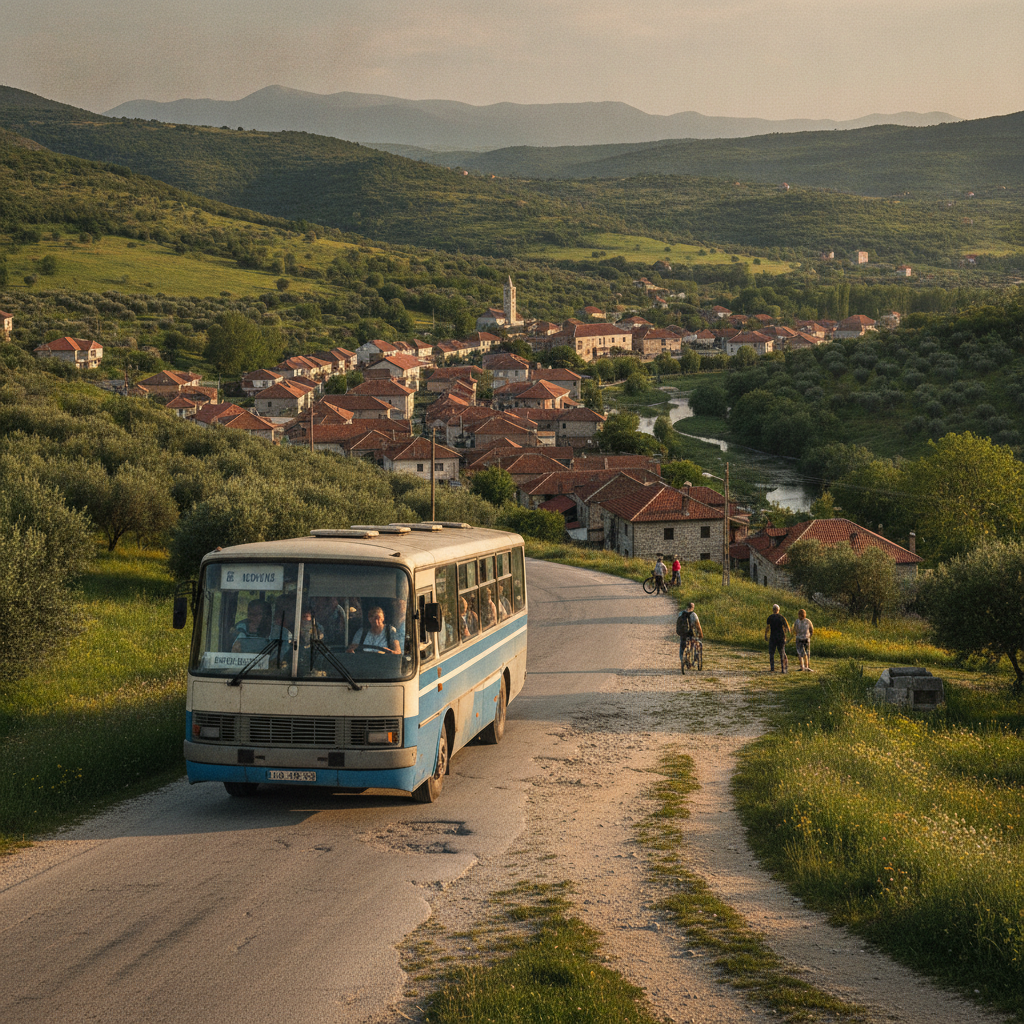
High-speed trains between major cities get most of the attention, but regional trains are where the real texture of European travel lives. Slower, cheaper, and often more scenic, they connect smaller towns that rarely appear on the standard tourist circuit. The Cinque Terre in Liguria, the villages along Austria's Salzkammergut, the smaller hill towns outside Budapest — none of these are accessible on the headline routes. Regional rail also tends to require no advance booking, which suits an open schedule perfectly. The trade-off is time, but that's rarely a problem when you're not rushing to the next thing.
Build In Slower Days Deliberately
The instinct on a free-form trip is to keep moving, partly because motion feels productive and partly because every city on the map looks interesting. But back-to-back travel days without a genuine rest will flatten even enthusiastic travellers by the second week. Plan for at least one or two longer stays — three to four nights somewhere — where the goal is simply to exist in a place rather than tick it off. Prague, Porto, and Ghent all reward longer visits. Staying put for a few days also reduces transport costs and gives you time to find the neighbourhoods that aren't in any guidebook.
Keep One Night's Accommodation as a Rolling Backup
One practical habit that experienced open-itinerary travellers develop quickly: always have at least the next night's accommodation confirmed before you board a train. Not the night after that — just the next one. This single rule prevents the genuinely stressful scenario of arriving somewhere unfamiliar, tired, and with nowhere to go. It also keeps you from overcommitting. Book one night, arrive, get a feel for the place, and then decide whether to stay longer or move on. Most hotels and hostels in European cities have availability within a 24-hour window outside of peak summer weekends.
Know Which Cities Reward Spontaneity and Which Don't
Not every European city is equally forgiving of last-minute planning. Amsterdam, Florence, and Barcelona are heavily visited and can sell out accommodation fast, especially in summer. Cities like Ljubljana, Ghent, Braga, or Tallinn tend to have more availability and lower prices, which makes them natural anchors for an unplanned trip. Routing your journey through a mix of major and secondary cities gives you the cultural variety without the booking stress. It also tends to produce a more honest experience of Europe than a greatest-hits tour ever could.
European rail is expanding steadily, with new overnight routes and cross-border connections opening each year. Night trains between cities like Vienna, Paris, and Rome have made a genuine comeback, turning a travel day into a free hotel night and opening up longer distances to slower, less carbon-heavy travel. For anyone planning a loose multi-city journey, the infrastructure has never been better suited to it — and the rewards of showing up somewhere without a plan, at least some of the time, are very much still there.